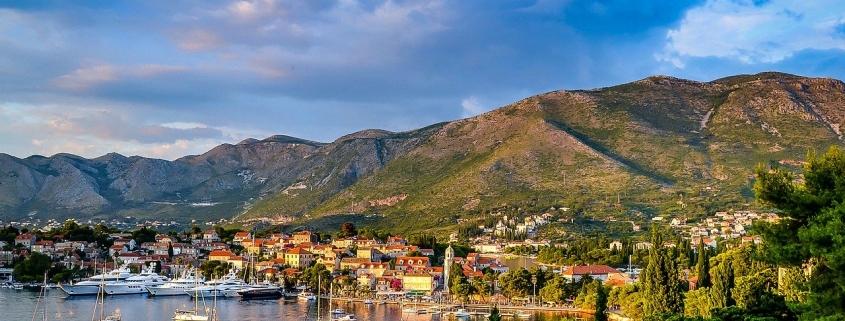
 Geographically placed towards the south of Italy, the island-state of Malta now warmly welcomes more than 3.5 million inbound tourists every year (2024 data). Malta is also a favorite destination among expats, typically for those who are looking for a destination to spend their retirement. English is in common use throughout Malta and expats love the coastal life, ancient heritage (Valletta, Mdina), Mediterranean environment, and a blend of contemporary and traditional culture. Since gaining independence in 1964, the nation has seen significant improvements in living standards despite its colonial past. Although similar small states have joined more recent EU expansions, Malta was the smallest member of the EU when it joined in 2004 and continues to rank among the smallest by land area. Expatriates from all over the world, particularly those from Europe, are drawn to Malta. Use this guide on Malta expat insurance to find out more about the ways the country’s healthcare system assists both locals and foreigners, as well as to investigate your options for Malta health insurance.
Malta’s economic status rose by 5.6% in 2024, which is among the fastest within the EU, due to the fiscal, digital, and tourism domains (Eurostat). Being at 81.1% (Q1 2024), the island has one of the best levels of employment in Europe, and its gross domestic product per capita was €35,800 (NSO, 2024).
With respect to lifestyle appeal, Malta basks in around 300 sunshine days each year (source: Malta Tourism Authority) and is ranked as one of the 10 safest nations in the world (Numbeo Safety Index, 2025). The island has a compact structure, just 316 km², which means that the distance the inhabitants need to travel to reach the sea is covered in a mere 20-minute drive.
Healthcare in Malta
Although healthcare in Malta has improved significantly, quality, waiting times, and resource availability still vary between facilities and between Malta public healthcare and private sectors. Many doctors and nurses in Malta speak English, and medical supplies and pharmaceuticals are generally available, though for rare or high-end specialty items, some imports may be needed.. Healthcare in Malta for foreigners is considered efficient and accessible, though expats are strongly advised to obtain expat health insurance Malta to complement public coverage, particularly for access to private providers or care outside Malta. Evacuation coverage is also advisable for those seeking additional security.
Malta’s spending on public health as of 2022 was 7.2% of the GDP, which does not exceed the EU average of 9.2%, as stated in the European Commission’s Malta Country Health Profile 2023. It is the country with the lowest child mortality rates in Europe (2.7 per 1,000 live births) and a life span of 82.5 years, which is just a shade higher than the EU average (WHO/Eurostat). This indicates that the Malta healthcare system offers powerful results even though public expenditure is less, as against the EU average.
Mater Dei, which is among the biggest medical campus in Europe, the primary public hospital in Msida, has provisions for general as well as specialized care. Also, Malta operates quite a few private hospitals, like Saint James Hospital and Da Vinci Hospital, which foreigners prefer the most, together with eight regional health centers. Those with Malta health insurance or expatriate health insurance Malta can benefit from faster appointments and access to a wider range of private specialists.

Insurance for Expatriates in Malta
A large number of expats like to opt for expat health insurance Malta or international health plans because it is flexible, provides a global cover and access to private hospitals. Compare providers, check network hospitals in Malta, and validate life/disability provisions prior to finalizing a plan. Malta private health insurance for foreigners can offer more wide-ranging insurance, specifically in the case of elective treatments or medical evacuations abroad.
Depending on age and coverage level, private medical coverage in Malta normally costs an adult between €1,200 and €3,500 annually (Sources: Cigna Global, Allianz Care, Pacific Prime 2024 reports). Such coverage complements Malta public healthcare and ensures reliable medical access both locally and internationally.
Here is a list of different types of insurance coverage you will want if you are planning to become an expatriate in Malta:
- International Health Insurance
- Expat Life and Disability Insurance
- Evacuation Coverage
- Group Expat Insurance Plans
If you are keen on probing more choices for Malta expat insurance, obtain quotes from multiple prestigious international insurers, and ensure policy terms are befitting to Malta and your travel requirements, contact Expat Financial today. Whether you are comparing Malta health insurance with similar systems like healthcare in Ireland for expats, or simply exploring coverage options within Malta, it’s important to choose a plan that fits your medical and lifestyle requirements.