Jakarta Expatriate City Guide
 Jakarta, the bustling capital city of Indonesia, is one of Southeast Asia’s most vibrant megacities. With a population of more than 10 million, Jakarta is the country’s economic hub, political center, and cultural capital. For the many expats living in Jakarta, Indonesia offers an excellent mix of career opportunities, affordable living, and rich cultural experiences.
Jakarta is known as a special province that covers an area of 637.44 square km. Located on the northern coast of West Java, it is the centre of government, commerce, and industry and, as such, has an extensive communications network with the rest of the country and the outside world.
Despite this city often being associated with rapid urban growth and traffic congestion, it also has modern infrastructure, international services, and a strong expat community.
This expat guide to living in Jakarta covers everything, from visas and the cost of living to housing, healthcare, transportation, and lifestyle, helping newcomers prepare for life in Indonesia’s capital.
Why Expats Choose to Live in Jakarta
Many choose Jakarta for work opportunities and professional advancement. Since Thai city is Indonesia’s main business center, it hosts multinational corporations, embassies, NGOs, and regional headquarters. Industries, including finance, technology, energy, manufacturing, and education, frequently employ foreign professionals.
Aside from the work scene, Jakarta attracts expats with its diverse culture, international restaurants, and expanding leisure scene. Also, this city serves as a strategic travel hub, with direct flights to destinations across Southeast Asia, East Asia, Australia, and the Middle East. If you’re an expat who likes an urban lifestyle in a fast-growing economy, then Jakarta is an excellent choice.
Visas and Legal Requirements for Expats in Indonesia
Understanding visa requirements in Indonesia is crucial before relocating.
Common Expat Visas are:
- Work Visa (KITAS): Most expats working in Jakarta require a Limited Stay Permit (KITAS), which an Indonesian employer sponsors
- Dependent Visa: For spies and children of KITAS holders
- Retirement Visa: available for older expats who meet the financial requirements
While visa regulations can change regularly, expats are advised to consult official government sources or professional visa agents before moving to Jakarta.
Cost of Living in Jakarta for Expats
The cost of living in Jakarta mainly depends on your lifestyle, housing choice, and family size. While Jakarta is one of Indonesia’s more expensive cities, it is still affordable compared to many global capitals.
Typical Monthly Costs In Jakarta for Expats are:
- Renting a one-bedroom apartment is moderate to high, depending on location.
- Utilities and internet: generally affordable
- Groceries: Local food is inexpensive, but imported goods cost more
- Transportation: ride-hailing apps keep commuting costs low
- Health insurance: strongly suggested for expats
Many expats find that Jakarta offers a comfortable standard of living at a lower cost than cities like Tokyo, Hong Kong, and Singapore.
Housing and Accommodation While Living in Jakarta
Choosing the right location is one of the most important decisions an expat can make. Traffic congestion can be difficult, so living close to work or school can significantly improve quality of life.
Popular Expat Neighbourhoods in Jakarta are:
- Kemang – Known for Cafés, nightlife, and a calm expat vibe
- Kuningan & Setiabudi – Close to office towers and embassies
- SCBD & Senopati – Modern apartments near business districts
- Menteng – Historic, green, and family-friendly environment
- Pantai Indah Kapuk (PIK) – A newer and quieter residential area
Furthermore, housing options include serviced apartments, condominiums, and stand-alone houses, with serviced apartments particularly popular among short-term expats.
Working and Career Growth While Living in Jakarta
Working in Jakarta prides you with access to one of Asia’s most rapidly growing economies. While Indonesian law protects local employment, foreign professionals are commonly hired for specialized roles.
These common expat sectors are:
- Banking and finance
- Information technology and startups
- Engineering and energy
- International education
- Corporate management
- Healthcare
The majority of expat employment packages include health insurance, housing allowances, and school fees, significantly reducing living costs.
Healthcare in Jakarta
Healthcare in Jakarta is a major consideration for expats. While public healthcare is available, it is generally not preferred by foreign residents. Instead, most expats opt for private healthcare options in Jakarta, which include well-equipped hospitals and clinics that often meet international standards.
Key Healthcare Considerations
- International hospitals with English-speaking doctors
- Short waiting times in private clinics
- High-quality care for routine and emergency services
Due to rapidly rising medical costs, international health insurance for expats is strongly recommended.
Education and Schools While Living in Jakarta
For families, education in Jakarta is often a top priority. Moreover, the city has international schools that teach the British, American, IB, and other curricula.
School Options
- International schools with global curricula
- “National Plus” schools mix Indonesian and international education.
School fees in Jakarta vary widely. However, many expat employers provide education allowances as part of compensation packages, helping families manage their costs.
Transportation and Getting Around Jakarta
Despite Jakarta’s reputation for bad traffic, transportation in this city has greatly improved in recent years, though traffic remains a challenge.
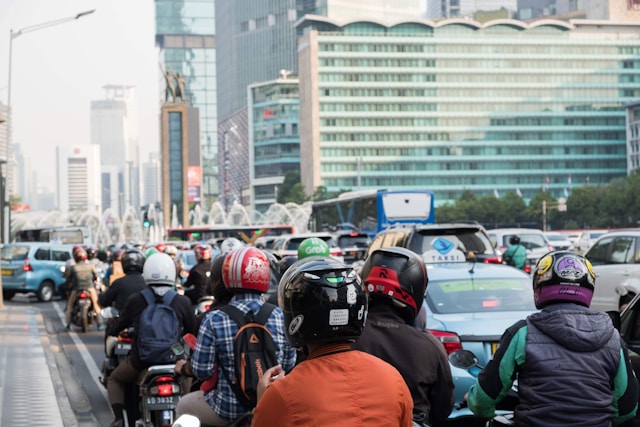
Common Transport Options Include:
- Ride-hailing apps (cars and motorbikes)
- MRT and commuter trains
- Bus rapid transit (TransJakarta)
- Private drivers are common for families.
Despite commuting being long at times, public transport expansion has made daily travel more manageable for expats.
Food, Culture, and Daily Life
Jakarta’s food scene reflects Indonesia’s incredible diversity. For example, expats can enjoy traditional Indonesian dishes such as nasi goreng, satay, and Soto. Additionally, there are also Japanese, Korean, Middle Eastern, Western, and fusion restaurants.

Daily life in Jakarta blends modern urban living with strong social traditions. On the other hand, shopping malls work as social hubs, while cultural festivals and religious holidays mould the city’s rhythm throughout the year. Compared to other Southeast Asian cuisines, Indonesian dishes feature coconut milk and aromatic spices that first add intriguing flavours to meats, vegetables and fruits.
Leisure and Things to Do in Jakarta
Despite Jakarta’s reputation as a work-focused city, Jakarta offers many leisure options, such as:
- Museums and art galleries
- Live music and nightlife districts.
- Weekend trips to nearby islands
- Parks and family attractions
Expats often balance city life with short escapes to gorgeous beaches or nearby mountain destinations.
Pros and Cons of Living in Jakarta
Advantages
- Great job opportunities for expats
- Relatively low cost of living
- Vibrant cultural and food scene
- Large, established expat community
Challenges
- Traffic congestion
- Air pollution during certain seasons
- Flooding in heavy rainy periods
- Bureaucratic processes for visas
Tips for Expats Moving to Jakarta
- Learn basic Bahasa Indonesia for daily interactions.
- Have patience with bureaucracy and traffic
- Respect local customs and religious practices.
- Form a support network through expat groups.
Why Purchase Medical Coverage?
Before moving to a new country, it is important to purchase health coverage to avoid facing a potentially high medical bill. Having this type of coverage provides you with easy access to essential medical services, including doctors’ visits, treatment for injuries or illnesses, emergency care, and hospital stays. Ultimately, having global health coverage lets you enjoy your trip without worrying about running into a bank-breaking medical emergency. While it may be less expensive to get a local plan, a global plan gives expats in Jakarta a lot more options, portable coverage and even coverage back in your home country, depending on the plan you choose.
Healthcare in Jakarta is variable, and while expats have access to both public and private facilities, most choose private hospitals or clinics. While there are some good hospitals in Jakarta that may cater to expatriates and wealthy families, it may be advisable for expatriates in Jakarta to obtain medical treatment abroad. The best global health plan we offer for Jakarta is available via our site.
Considering Moving to Jakarta
Most expatriates will want to obtain international medical coverage if residing in Jakarta or other cities in Indonesia. Expats should include medical evacuation coverage in their global medical plan. A plan that will provide reimbursement for medical expenses in Jakarta is recommended.
Here is a list of different types of insurance coverage you will want if you are planning to become an expatriate in Indonesia:
Living as an expat in Jakarta offers both challenges and rewards. By carefully planning for visas, healthcare, housing, and the cost of living, many expats find Jakarta an amazing and enriching place to live. While Indonesia continues to grow on the global stage, Jakarta remains a key destination for those seeking professional opportunities, cultural immersion, and an international lifestyle in Southeast Asia.