10 Challenges Expats Face in Africa
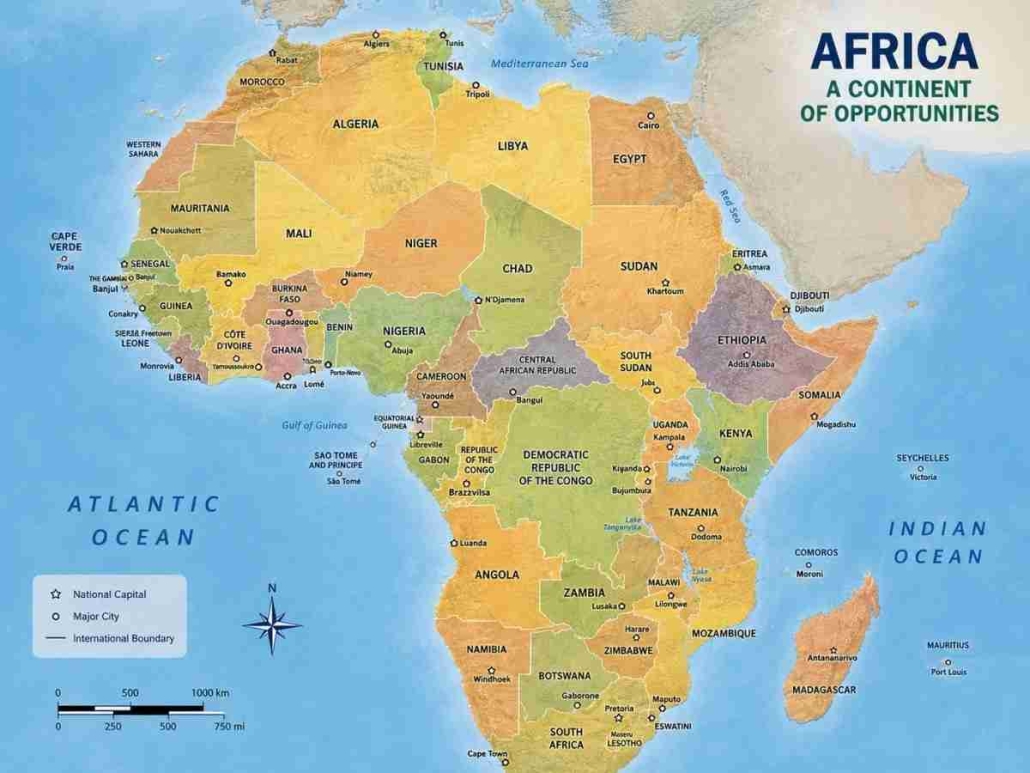
Africa is increasingly a popular expat destination, but understanding the challenges expats face there is essential before making the move. From booming economies and business opportunities to unique cultural experiences and adventure. Africa is definitely a rewarding continent for future or current foreigners and expats, but with some planning and forthought, the risks and challenges can be mitigated.
We find that the continent offers a lifestyle unlike anywhere else in the world. Cities like Nairobi, Lagos, Accra, Dar es Salaam, Kigali, and Johannesburg are rapidly developing and attracting many professionals, entrepreneurs, NGO workers, and digital nomads from around the world.
However, living in Africa as an expat also comes with its own set of challenges. While most expats thrive in the continent, adapting to new systems, infrastructure changes, and cultural expectations can take time. Still, understanding these challenges in advance can help expats prepare, adapt, and enjoy a more rewarding experience.
Below are ten challenges expats commonly face in Africa.
Infrastructure Limitations
One of the biggest challenges expats face in Africa is inconsistent infrastructure. While major African cities have modern developments, infrastructure can vary widely depending on which country and region you choose.
Common problems include:
- Frequent power outages
- Unreliable water supply
- Limited public transportation
- Poor road conditions
Additionally, many expats rely on backup generators, water storage tanks, and private drivers to maintain their daily routines. While these solutions can be helpful, they can also increase the cost of living for expatriates. Note that some African countries have excellent infrastructure for the region, such as Rwanda.
Despite these challenges, infrastructure across Africa continues to improve rapidly as governments invest in transport networks, electricity projects, and smart city developments.
Bureaucracy and Visa Processes
Navigating visa regulations and government bureaucracy can be one of the most frustrating parts of living abroad in Africa.

Expats often run into:
- Complicated work permit requirements
- Slow administrative processes
- Frequent documentation requests
- Changing immigration policies
Gaining residency permits on visas can take months in some countries. Moreover, many expats rely on local legal advisors or relocation services to help manage paperwork and compliance.
Having patience and flexibility is crucial when dealing with African immigration systems.
Cultural Adjustment as a Challenge Expats Face in Africa
Africa is home to over 1.4 billion people and thousands of ethic groups, making it one of the world’s most culturally diverse regions. While this diversity is enriching, newcomers must become familiar with it.
Expats may need time adjusting to:
- Different social norms
- Communication styles
- Business etiquette
- Local traditions and customs
For example, in most African societies, relationships and trust are valued more than strict schedules or efficiency. Business meetings can take longer, and building personal connections is important before discussing work.
The most successful expats usually invest their time in learning local customs, respecting traditions, and building genuine relationships.
Language Barriers
Despite English, French, Portuguese, and Arabic being widely spoken across the continent, many countries also have dozens or even hundreds of local languages.

In daily life, expats may encounter language barriers when:
- Communicating with service providers
- Navigating markets and transportation
- Working with local teams
- Handling government procedures
On the other hand:
- French dominates in West and Central Africa.
- Portuguese is used in Angola and Mozambique.
- Swahili is common in East Africa.
- Numerous indigenous languages are spoken locally.
Healthcare Access in African Countries
Healthcare quality varies across Africa. Many countries have excellent private hospitals and clinics, but public healthcare systems are often under-resourced.
Challenges could include:
- Limited access to specialist doctors
- Long travel distances for advanced care
- Shortages of medical equipment
- Dependence on private healthcare facilities
This results in most expats relying on international health insurance and private hospitals in Africa. In some cases, serious medical conditions could require medical evacuation to Europe or the Middle East.
Overall, it is crucial to understand the healthcare options before relocating for your long-term safety and peace of mind.
Cost of Living: A Financial Challenge Expats Face in Africa
Many people assume Africa is expensive, but for expats, specific costs can be high. Goods and expat services often have significant price premiums because of:
- Import taxes
- Logistics challenges
- Limited local availability
Common expensive items are:
- Imported groceries
- International schools
- Private housing in secure compounds
- Health insurance
- Imported vehicles
Additionally, cities such as Lagos, Luanda, and Nairobi frequently rank among the most expensive for expatriates.
Ultimately, carefully budgeting is vital for planning a move.
Security Concerns for Foreigners in Africa
Security concerns vary widely across Africa, but while many areas are safe and welcoming, some regions face higher crime or political instability.
Common security concerns include:
- Petty theft
- Scams targeting foreigners
- Residential break-ins
- Political protests or unrest
To manage these risks, many expats take precautions such as:
- Living in a secure residential compound
- Hiring local security staff
- Avoiding certain neighbourhoods at night
- Using trusted transportation services
- Having kidnap and ransom coverage, most often organized by the employer
Moreover, by staying informed and following local advice, you can be safe and enjoy life abroad.

Homesickness and Isolation: An Emotional Challenge Expats Face in Africa
Living abroad can feel isolating, especially for expats who move far from family and friends.
For example, in some African couture, expats may struggle with:
- Smaller expatriate communities
- Limited international entertainment options
- Distance from family in Europe or North America
- Cultural differences that take time to understand
Expats who build strong social networks can help overcome these feelings.
Many expats find support in:
- International clubs
- Professional networking groups
- Sports and outdoor communities
- Volunteer organizations
Education Options for Families.
For expats relocating with children, finding quality education can be a significant concern.
While many African countries have excellent international schools, spaces might be limited, and tuition fees are usually high.
Challenges can be:
- Long waiting lists
- High tuition costs
- Limited curriculum options
- Long travel distances to schools
There are often international schools offering British, American, or International Baccalaureate (IB) programs in major cities, but availability varies by location.
Families must research education options well in advance before relocating.
Adapting to a Different Pace of Life
One of the most important challenges for expats is adapting to a different rhythm of life in Africa.
In most places, daily life moves at a slower pace compared to Europe or North America. Also, systems might not always function efficiently, making flexibility essential.
For example:
- Meetings may start later than scheduled.
- Deliveries may take longer than expected.
- Administrative tasks may require multiple visits.
While this can initially feel frustrating, most expats eventually learn to admire the more relaxed lifestyle and emphasis on relationships over rigid schedules.
Overall, having aptitude and adaptability are key traits for anyone living abroad.
Why Purchase Medical Coverage?
Before moving to a new country, make sure to purchase medical coverage to avoid facing a potentially high medical bill. Moreover, having this type of coverage makes it easier to access essential medical services, such as doctor’s visits, treatment for injuries or illnesses, emergency care, and hospital stays. Ultimately, having expat insurance in Africa lets you enjoy your trip without worrying about the cost of an expensive medical emergency.
Final Thoughts on the Challenges Expats Face in Africa
While there are some challenges to living in Africa, millions of expats are building incredible lives across the continent, drawn by its remarkable cultural richness, essential economic opportunity, natural beauty, and warm hospitality.
Many challenges expats face, such as bureaucracy, infrastructure, or cultural adjustment, can be overcome with patience, preparation, and a flexible mind.
For many people, Africa’s rewards far outweigh the difficulties. Expats also often find that these experiences offer personal growth, meaningful relationships, and unforgettable adventures hard to find elsewhere.
Finally, for those willing to embrace the journey, they will find that Africa is not just a place to work or travel, but also a place that can be called home.
Written by Mark T., a travel and lifestyle writer specializing in expat experiences, global mobility, and international living. With a keen interest in emerging destinations, they explore the realities of relocating abroad, including the challenges expats face in Africa and other fast-growing regions.