7 Essential Tips to Know Before Becoming an Expat in Singapore
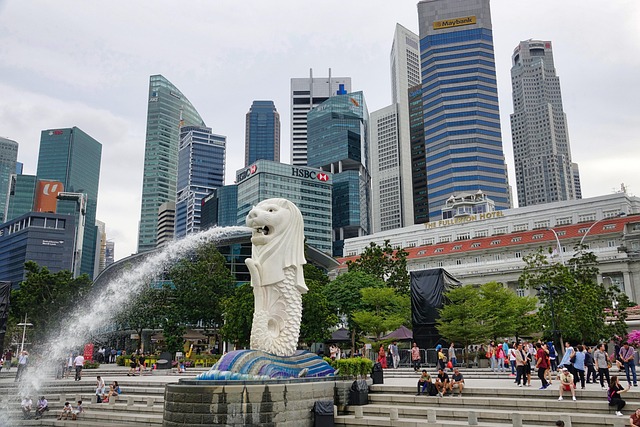
Singapore is one of Asia’s most popular destinations for professionals, entrepreneurs, students, and families seeking opportunities abroad. Known for its modern infrastructure, efficient public transportation, international business environment, diverse culinary scene, and high standard of living, this city-state attracts expats from across the globe.
However, being prepared before moving to Singapore is important. For instance, housing can be expensive, immigration rules are strict, and everyday life may differ from what new arrivals expect. Understanding these factors can make it much easier to settle into your new home.
Here are seven essential tips to keep in mind before becoming an expat in Singapore.
1. Secure the Correct Work Pass Before Moving
One of the most important things to understand before working in Singapore as an expat is that foreign nationals generally need an appropriate work pass. For example, the type of pass required depends on your occupation, qualifications, salary, and employment situation.
The employment pass is mainly for foreign professionals, managers, executives, and technicians with a qualifying job offer. Other work-pass categories may apply to skilled workers, entrepreneurs, trainees, students, or family members.
Before accepting a position, confirm:
- Which work pass your employer will apply for
- Whether you meet the eligibility requirements
- Who will pay the application and relocation costs?
- Whether your spouse or children can accompany you
- What happens to your residency if your employment ends
Employers will usually handle employment visas as applications. Still, never assume that reviewing a job offer automatically permits you to work.
Also avoid signing a long lease or shipping all your possessions until your immigration status is reasonably secure.
2. Prepare for Singapore’s Cost of Living
Singapore has a high standard of living, but it can also be expensive. The amount you need depends on your housing preferences, family size, lifestyle, workplace location, and employment benefits.
Accommodation will probably be your largest monthly expense. Private condominiums in central neighbourhoods can be costly, especially if they offer amenities such as a gym, a swimming pool, or security.

You may reduce housing costs by:
- Renting a room instead of an entire apartment
- Sharing accommodation
- Living outside the central business district
- Choosing a smaller property
- Negotiating a housing allowance
Food expenses can significantly vary. For example, eating at luxury restaurants and purchasing imported products can quickly raise your spending. However,r hawker centres and local food courts offer plenty of affordable meals.
Your budget should also include internet, utilities, transportation, insurance, entertainment, deposits, and occasional travel. Families must consider childcare and international school fees.
Before moving to Singapore, prepare a monthly budget based on your expected take-home pay. A salary can initially appear generous but can feel small after rent and other essential expenses are deducted.
3. Research Neighbourhoods Before Signing a Lease
Choosing where to live can greatly affect your experience as an expat in Singapore. While Singapore is geographically compact, neighbourhoods differ in atmosphere, rental prices, transportation access, restaurants, schools, and proximity to workplaces.
Some expats prefer living in central neighbourhoods, since they offer convenient access to offices, shopping, and entertainment. Others will choose residential areas further away from the city centre for more space, quieter surroundings, or lower housing costs.
When comparing properties, consider:
- Distance from your workplace
- Access to MRT stations and buses
- Commute time during peak hours
- Nearby supermarkets and clinics
- Noise levels
- Included furniture and appliances
- Lease length and renewal conditions
When possible, visit the property and surrounding area in person. Start by walking from the unit to the nearest public transport connection and check the neighbourhood at different times.
Carefully read the tenancy agreement, as you must understand the security deposit, maintenance responsibilities, repair procedures, notice requirements, and penalties for early lease termination.
4. Learn How Singapore’s Transportation System Works
A major advantage of living in Singapore as an expat is the extensive public transportation network, with MRT and LRT trains, taxis, buses, and private-hire vehicles.
Many residents can finish their daily routines without owning a car. This is helpful because purchasing and repairing a private vehicle in Singapore can be expensive.
Passengers can also use supported contactless bank cards, mobile wallets, or transit cards to travel on buses and trains.
Before renting a home, make sure to calculate the door-to-door commute rather than relying only on the distance on a map. Having a property near an MRT station can be more convenient than a cheaper unit that requires several transfers.s
You should also consider Singapore’s hot, humid, and rainy weather. A short walk might feel much longer cause of heavy rain or afternoon heat. Living close to public transportation, sheltered walkways, supermarkets, and essential services can make daily life much more comfortable.
5. Understand Singapore’s Tax System
Singapore is sometimes described as having low taxes, but expats still must understand their responsibilities.
Tax treatment depends in part on whether you are considered a Singapore tax resident. For instance, residency status can be affected by how long you have worked and stayed in the country. Residents are generally taxed under progressive income-tax rates, while non-residents may be taxed differently.
Your home country may also continue imposing tax-reporting requirements. But this depends on your citizenship, residential ties, property, Investments, and time spent abroad.

Before relocating:
- Determine your expected Singapore tax status.
- Ask whether your employer provides tax assistance.
- Keep salary and employment documents.
- Investigate obligations in your home country.
- Set aside money for possible payments.
Do not assume your employer will automatically manage all aspects of your personal taxes. Instead, consider speaking with a qualified tax professional if your financial situation becomes complicated.
6. Arrange Appropriate Healthcare Coverage
Modern hospitals, specialist clinics, general practitioners, and private medical facilities are available in Singapore. But healthcare expenses can be high, especially for expats who may not receive the same subsidies as citizens or permanent residents.
Make sure to review your employer’s health insurance plan carefully. A policy described as medical coverage may still include deductibles, co-payments, exclusions, annual limits, or restricted hospital networks.
Check whether your plan covers:
- Hospital and emergency treatment
- Outpatient appointments
- Prescription medication
- Specialist consultations
- Dental and vision treatment
- Maternity care
- Treatment outside Singapore
Those with ongoing health needs should confirm whether their pre-existing conditions are covered. Families should also investigate pediatric and maternity benefits.
On the other hand, bringing copies of important prescriptions and medical records is also essential, but check Singapore’s regulations before travelling with medication. Some medicines might require documentation or approval.
International health insurance can be useful when an employer’s policy has significant caps or when you expect to travel frequently.
7. Respect Local Laws, Customs, and Social Expectations
Singapore is well-known for being organized, clean, and safe. Maintaining this environment involves detailed laws and regulations that residents are expected to follow.
It is suggested that expats learn the rules regarding public behaviour, employment, housing, transportation, littering, smoking, medication, online conduct, and imported goods. You should never assume that something legal in your home country will be treated the same way in Singapore.
Also, Singapore is very multicultural, with Chinese, Malay, Indian, Eurasian, and international communities. Represented throughout the country are several religions and languages.
However, English is widely used, especially in professional settings, but understanding local etiquette can improve your interactions. Be respectful when visiting religious sites, attending celebrations, eating with colleagues, or discussing sensitive subjects.
Food is an important part of social life in Singapore. Exploring hawker centres, neighbourhood restaurants, markets, and cultural districts can help new residents feel more connected to the country itself.
Final Thoughts
Becoming an expat in Singapore can offer you exciting career opportunities, international experience, reliable transportation, diverse cuisine, and access to a multicultural society. However, a successful move requires getting more than just a job and a plane ticket.
Before relocating, confirm your work-pass arrangements, calculate your living expenses, research neighbourhoods, understand taxation, and organize proper healthcare coverage. You should also become familiar with local laws and be prepared for the tropical climate.
Ultimately, researching your responsibilities and carefully planning your finances will help you be better prepared to enjoy the benefits of living and working in Singapore.
Why Purchase Health Coverage?
Before moving to a new country, make sure to purchase health coverage to avoid a potentially expensive medical bill. Note that medical care in Asia, especially in Singapore, can be very expensive.
With global medical coverage in place, you’ll have straightforward access to the essential care you need, whether that’s a routine doctor’s visit, treatment for an injury or illness, emergency care, or a hospital stay. In the end, having the right health coverage means you can fully enjoy your time abroad without worrying about a medical emergency derailing your finances.
Written by: Mark Tompkins – An avid traveller and writer with extensive interest in expatriate and business travel