12 Hidden Challenges of Living in Indonesia as an Expat

Living as an expat in Indonesia is more than an adventure—it’s a transformative experience marked by vibrant culture, breathtaking landscapes, and a distinct way of life. However, beneath the surface excitement, real challenges await those unfamiliar with the country’s unique rhythms. Thriving here demands adaptability, patience, and openness to new perspectives.
Here are 12 of the most significant challenges expats face in Indonesia, each accompanied by practical tips to make the transition smoother.
1. Bureaucracy and Visa Processes Challenges When You Become an Expat in Indonesia
One of the first challenges expats face in Indonesia is the bureaucratic system. For example, obtaining and maintaining legal residency can be time-consuming and complicated.
Expats often deal with:
- Multiple visa types and changing regulations
- Work permits tied to employers.
- Frequent renewals and paperwork
Even small administrative tasks can take longer than expected because of inefficiencies or unclear procedures. Most expats seek assistance from visa agents to navigate the system, which adds extra costs but usually reduces stress.
2. Language Barriers for Expats in Indonesia
Despite English being widely spoken in tourist hubs, the language barrier can be noticeable in everyday life, especially outside major cities.
Challenges include:
- Communicating with service providers and local workers
- Understanding contracts and official documents
- Navigating transportation or healthcare systems
Additionally, learning Bahasa Indonesia is one of the best ways to improve your experience in the country. Moreover, it is considered a relatively easy language to learn, but it still takes time and effort to become comfortable with it.
3. Cultural Adjustments When You Become an Expat in Indonesia
Indonesia has a deeply rooted cultural identity shaped by religion, tradition, and community values, and expats face the challenge of adapting to these cultural differences.
Some key adjustments include:
- Respect for hierarchy and authority
- Indirect communication styles
- Conservative norms in certain regions
Moreover, what may seem like a straightforward conversation in Western cultures may be handled more smoothly in Indonesia, making misunderstandings and misinterpretations a possibility if expats are not aware of the nuances.
4. Traffic and Transportation Issues for Expats in Indonesia
A daily challenge in most Indonesian cities is transportation. For example, in urban centers, traffic congestion can be severe, significantly affecting your quality of life.
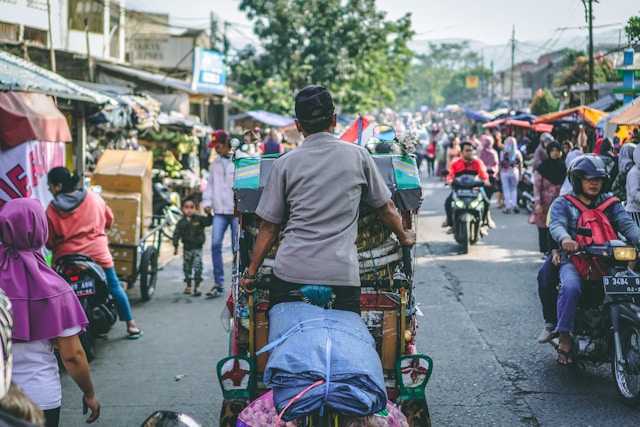
Common frustrations include:
- Long and unpredictable commute times
- Inconvenient or limited public transportation
- Heavy reliance on scooters or ride-hailing apps
Also, while services like Grab and Gojek are convenient, navigating busy streets can be overwhelming at times, especially for newcomers unfamiliar with local driving habits.
5. Healthcare Challenges When You Become an Expat in Indonesia
Indonesia’s healthcare system varies widely by location. For example, while private hospitals in large cities provide great care, standards can drop in rural areas or smaller towns.
Expats often face:
- Limited access to specialized treatment
- Language barriers with medical staff
- The need for comprehensive international health insurance
From the expats in Indonesia we have talked to, they have often mentioned that the country’s vast archipelago geography means many islands and rural regions have inconsistent infrastructure, making travel to functioning facilities time-consuming and costly. This makes having medical evacuation coverage in Indonesia a necessity.
You can also run into issues with public hospitals often face overcrowding and long wait times, pushing patients toward private alternatives with highly variable pricing and quality standards. Administrative processes can be cumbersome, with referral systems, paperwork, and BPJS (national insurance) procedures sometimes slowing access to care, which is another reason foreigners living there really need to get a comprehensive health policy.
Medication and equipment availability can also vary significantly between facilities, particularly outside major cities like Jakarta or Surabaya. Together, these factors create a fragmented system where patients must actively navigate uneven options to receive timely, appropriate care.
Additionally, for serious medical conditions, most expats choose to travel abroad for treatment, adding another layer of cost and complexity.
Read more: 7 Challenges to Accessing Health Care Abroad
6. Climate and Environmental Challenges
Indonesia’s tropical climate is attractive to some, but the constant heat and humidity can be a difficult adjustment. The climate can impact physical health and overall well-being.
Environmental Challenges include:
- High humidity occurs year-round.
- Air pollution in major cities
- Seasonal flooding during monsoon periods
Also, exposure to tropical illnesses like dengue fever requires extra attention. Staying healthy usually means changing your daily habits and taking preventive measures.
7. Cost of Living Reality for Expats in Indonesia
While Indonesia is often marketed as a budget-friendly destination, the cost of living varies a lot depending on lifestyle.
Unexpected expenses could include:
- Imported groceries and international brands
- Housing in expat-friendly neighbourhoods
- Private healthcare and education
Despite local goods and services being affordable, maintaining a Western lifestyle can swiftly increase monthly costs. Many expats find themselves spending more than they previously expected.
8. Work Culture Differences
One major challenge of life in Indonesia is adapting to its work culture, especially if you’re an expatriate from a fast-paced, efficiency-driven environment.
Key differences are:
- Emphasis on relationships over deadlines
- Flexible attitudes towards punctuality (“rubber time”)
- Hierarchical decision-making structures
Ultimately, this can lead to misunderstanding or frustration in professional settings. Still, building strong relationships and practicing patience are crucial for succeeding in the workplace.
9. Infrastructure and Connectivity Issues
Even with rapid development, Indonesia still has infrastructure challenges, and service quality can vary depending on where you live.
Common issues are:
- Unreliable internet in certain areas
- Occasional power outages
- Limited public utilities in remote areas
If you’re a digital nomad or remote worker, having stable internet is important, and finding a location that meets those needs could take time and research.
10. Accommodation Challenges When You Become an Expat in Indonesia
Securing comfortable housing can be a challenge. Still, there are many options for finding the correct balance between location, cost, and quality, which can take time.
Potential difficulties include:
- Lease agreements that differ from Western norms
- Upfront payment requirements
- Maintenance and service issues
There are expat communities in places like Jakarta and Bali, but forming a meaningful social network still requires effort. Attending events, joining clubs, or participating in local activities can help make the transition easier.
11. Social Isolation and Adjustment
Even in a friendly, welcoming country such as Indonesia, expats can experience loneliness and social isolation, especially during the first months of living there.
These contributing factors are:
- Language and cultural barriers
- Distance from family and friends
- Difficulty forming deep local connections.
However, many expats find that the initial isolation begins to fade as they build routines and meet people through work, social groups, or local communities. Making an effort to engage with both expat circles and local culture can greatly improve your sense of belonging and help make Indonesia feel like home.
Helpful resource: Top 10 Tips for Lowering Stress When Living Abroad as an Expat
12. Natural Disasters and Safety Concerns
Indonesia lies on the Pacific Ring of Fire, making it prone to natural disasters such as earthquakes, tsunamis, and volcanic eruptions.
While major incidents are rare, expats should still:
- Stay informed about risks.
- Have emergency plans in place.
- Understand local safety procedures.
The key to feeling secure is preparedness.
Why You Need Insurance Before You Become an Expat in Indonesia?
Before moving to a new country, it is vital to purchase health insurance to avoid potentially high medical bills. Additionally, insurance coverage in Asia makes it easier to access essential medical services such as doctor visits, treatment for injuries or illnesses, emergency care, and hospital stays. Ultimately, health coverage lets you enjoy your trip without worrying about an expensive medical emergency.
Some final thoughts for Global Citizens in Indonesia
Being an expat in Indonesia is a unique and often rewarding experience. Still, it comes with its share of challenges, such as navigating bureaucracy and overcoming the language barrier, adapting to cultural norms, and dealing with infrastructure limitations, demonstrating that each aspect of daily life requires adjustment.
However, these challenges are not insurmountable. With preparation, flexibility, and an open mindset, many expats adapt and thrive in Indonesia. Moreover, the key is to approach the experience with a willingness to learn and realistic expectations.
Finally, understanding these 12 challenges in advance will help you feel better prepared for life in India and turn potential obstacles into opportunities for cultural connection and growth. Please let us know if you think we should add some other issues with living in this amazing country. Note that I still recommend that people consider Indonesia as a great place to move abroad, especially with beautiful beaches, great food and a low cost of living.
Written by Mark T., an expat insurance and global mobility expert who helps individuals and families navigate life abroad. He shares practical insights on healthcare, insurance, and adapting to new countries with confidence.